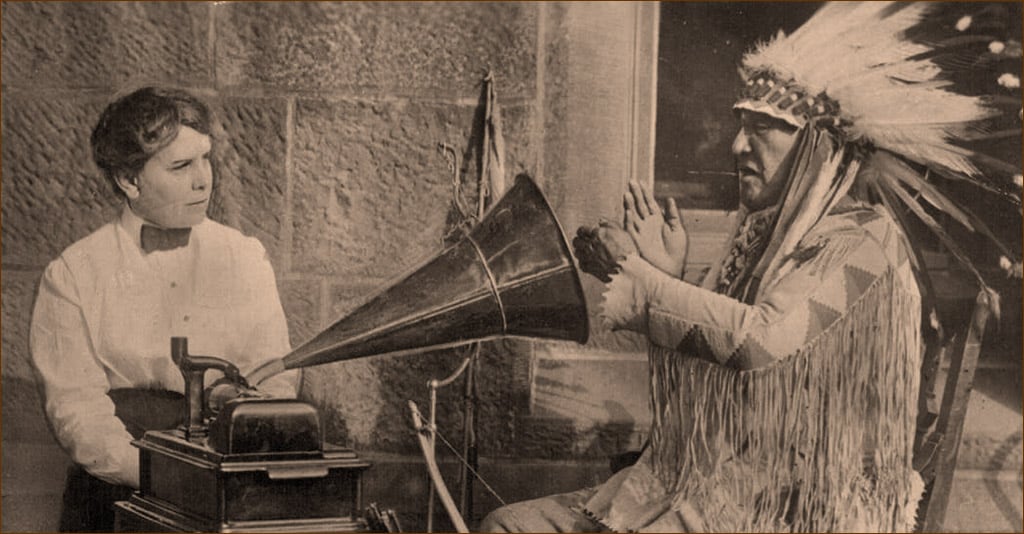
Frances Densmore recording the Mountain Chief of the Blackfoot Nation in the Smithsonian Institution’s castle building.
Frances Densmore first heard the sound of a Dakota Sioux drum as a child. “I fell asleep night after night to the throb of that drum,” she later recalled. But while others heard the same sound and quickly forgot it, Frances Densmore followed that drum beat for the rest of her life.
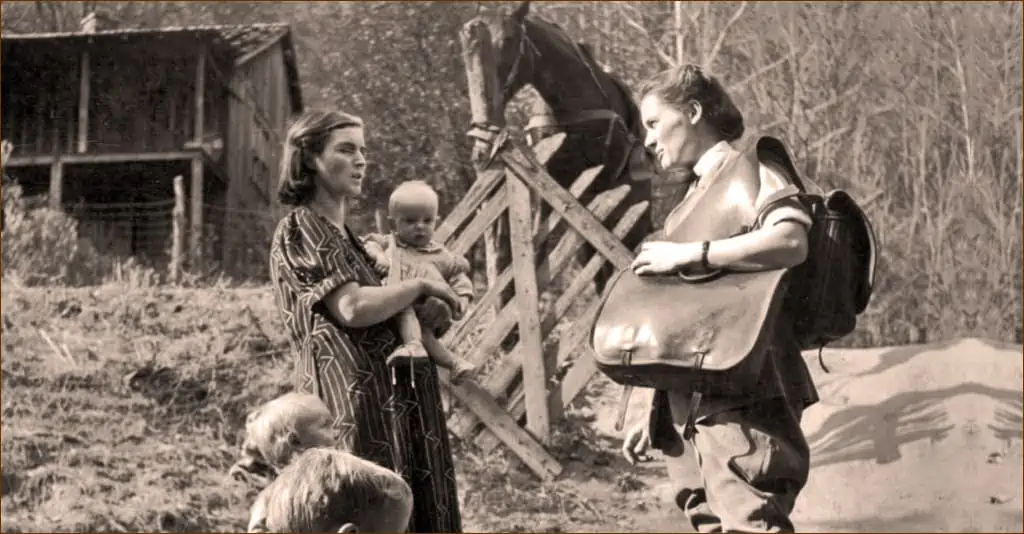
Born into an upper-crust family of great wealth and power, Mary Breckinridge had her choice of rich and luxurious options in life. It speaks to her character that she chose to be a horseback frontier midwife in the rugged back country of Appalachia.
Fans of the popular PBS show “Call the Midwife” tune in every Sunday night to follow the lives of Trixie, Val, Nurse Crane and Lucille, bicycling through the cobbled streets of London’s East End, as they bring new life into that region’s poorest community. But closer to home, very few people know the name of the woman who brought nurse-midwifery to the United States and, in the process, changed America’s rural health care delivery system forever.
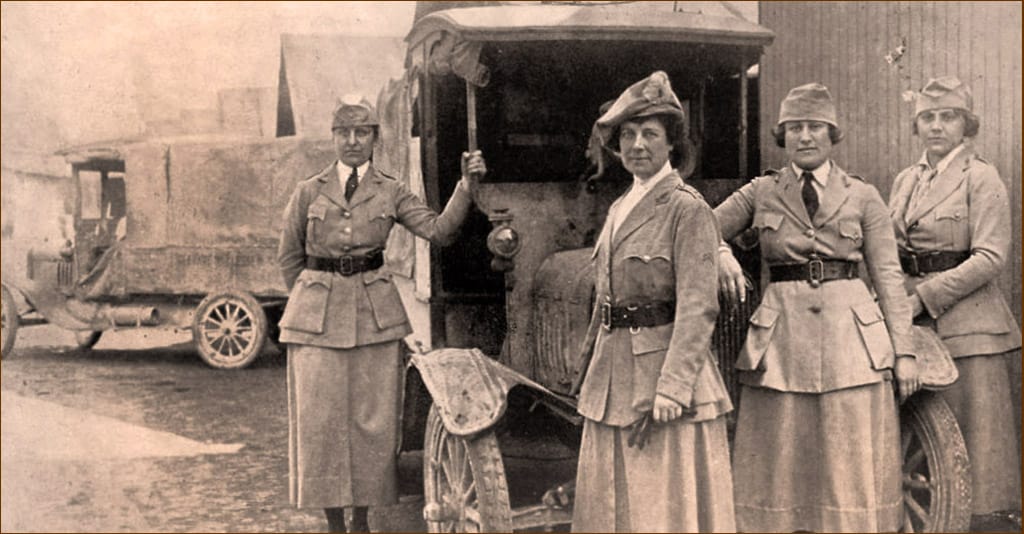
Born the daughter of a west coast steel and iron magnate, Gace Gallatin Seton traveled the world as an adventurer, writer and advocate for women’s rights. Here, in World War I France, she and her comrades use their Ford Camionettes to ferry supplies to the front lines.
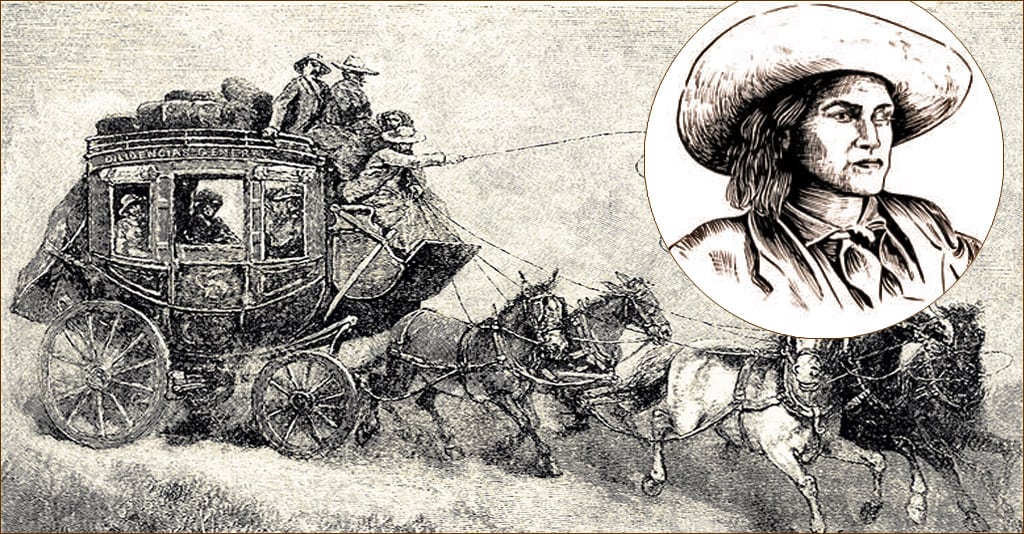
As a runaway girl dressed as a boy, Charlotte Parkhurst took a job mucking out Massachusetts livery stables in 1824 and went on from there to become a stagecoach driver.
Life for a woman born in the 1800s was full of gender-based taboos and restrictions. She couldn’t vote, run for or hold office. Couldn’t own property or, with few exceptions, get an elite education. Couldn’t serve in the military or on a jury. And she couldn’t easily escape a distasteful or abusive marriage. For a woman to enjoy all the freedoms denied her simply by being born female, there was only one option: live as a man.
Largely remembered in the U.S. as an uninhibited showgirl and glitzy celebrity, Josephine Baker secretly served as an undercover operative for the Free French movement during WWII. She was ultimately awarded the Croix de Guerre and Legion of Honor, France’s highest military honors.
Josephine Baker took Paris by storm, dancing in nothing more than a G-string hung with fake bananas. She had a diamond-collared pet cheetah named Chiquita. Ernest Hemingway called her “the most sensational woman anybody ever saw.” But she was also a French war hero, World War II spy and a civil rights activist who raised 12 children she called her “Rainbow Tribe.”
In the early 1900s, with the help of Brooklyn private detective Rose Mackenberg (above, right), escape artist and magician Harry Houdini (above, left) launched a national campaign to expose phony psychics and mediums who preyed on the emotionally distraught. Mackenberg’s colorful methods for ferreting out frauds made her a legend in her own right.
When it came to spiritualists and séances, Rose Mackenberg, a savvy, no-nonsense Brooklyn private eye, once said, “I smell a rat before I smell the incense.” In the early 20th century, she became a star investigator for escape artist and magician Harry Houdini, who spent the last portion of his own career debunking psychics and séances.