Recruited to Solve a Critical Shortage, She Helped Elevate the Status and Role of U.S. Military Nurses
The only known photo of Namahyoke Sockum Curtis against an 1898 image of a U.S. Army Field hospital in Havana, Cuba, during the Spanish American War. Daughter of an African-American/Native American family, and a Black socialite who raised funds to build hospitals for non-whites in Chicago, she was selected by the U.S. Surgeon General to head the recruitment of desperately needed war-time nurses. It was the first time nurses served in dedicated, quasi-military Army units, leading to the establishment of the Army Nurse Corps in 1901.
As wars go, the Spanish-American War gets very little attention. But black women hired as nurses during what some called the “splendid little war” get even less. So you’re excused if you’ve never heard of a woman with the unusual name Namahyoke “Namah” Sockum Curtis, and her role in the Spanish-American War.
Early 20th Century Mountaineer Received Little Credit for Her Exploits
The first female climber to reach the summit of Africa’s highest mountain, Gertrude Benham should have been included in the record books, but few histories of Kilimanjaro even mention her name.
It was a classic case of “anything you can do, I can do better,” set in the magnificent Canadian Rockies in 1904 when Gertrude “Truda” Benham, at 36, set out to satisfy her wanderlust by climbing as many Rocky Mountain peaks as she could before summer’s end.
A Refrigeration Pioneer Who Surmounted Gender Barriers to Revolutionize The Way Food is Shipped, Stored and Sold
Mary Engle Pennington pioneered systems of refrigerated rail cars and practices that revolutionized the food shipping industry. She is shown here, atop a rail car, collecting food samples for testing.
For most women, being dubbed America’s “Ice Woman” would be cringe-worthy at best. But Mary Pennington, whose pioneering work in storing, shipping, refrigerating and flash-freezing perishable foods revolutionized America’s food supply, wore it as a well-deserved badge of honor.
Rescued Chinatown Sex Slaves in Turn of the Century San Francisco
A staunch human rights advocate and activist, Tye Leung Schulze worked throughout her career to free female Chinese sex slaves from American brothels. She was also the first Chinese-American voter.
Standing just over four feet tall, she was nicknamed “Tiny.” But when it came to character, compassion, and her dedication to civil rights and women’s rights, there was nothing small about Tye Leung Schulze.
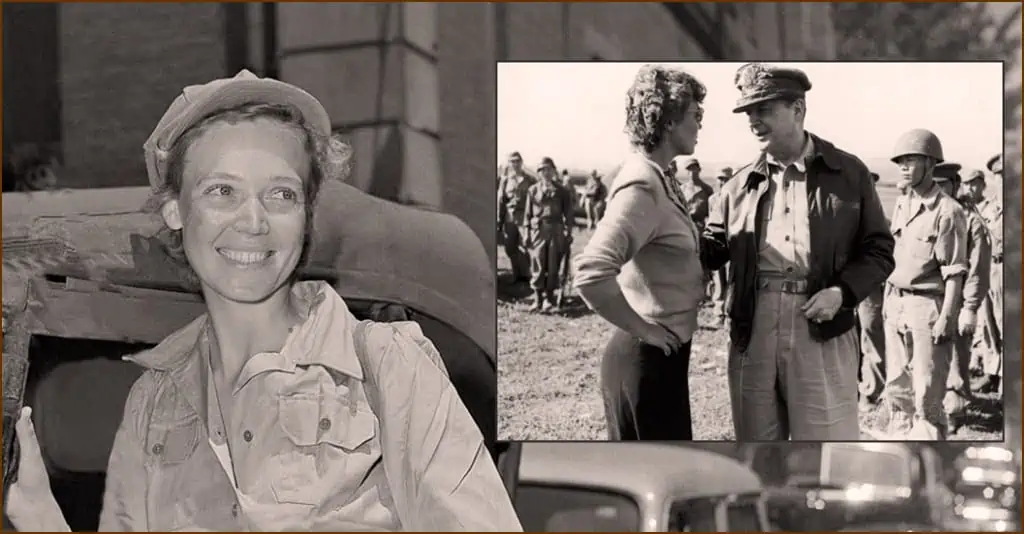
New York Herald Tribune reporter and Korean War media star Marguerite Higgins chats with General Douglas MacArthur in the field.
Marguerite “Maggie” Higgins wasn’t America’s first female war correspondent. Legendary journalist and novelist Martha Gellhorn (who was also Ernest Hemingway’s third wife) had covered conflicts all over the world in her 60-year career. But Higgins was the first to win the coveted Pulitzer Prize for International Reporting in 1951 with her front-line coverage of the Korean War.
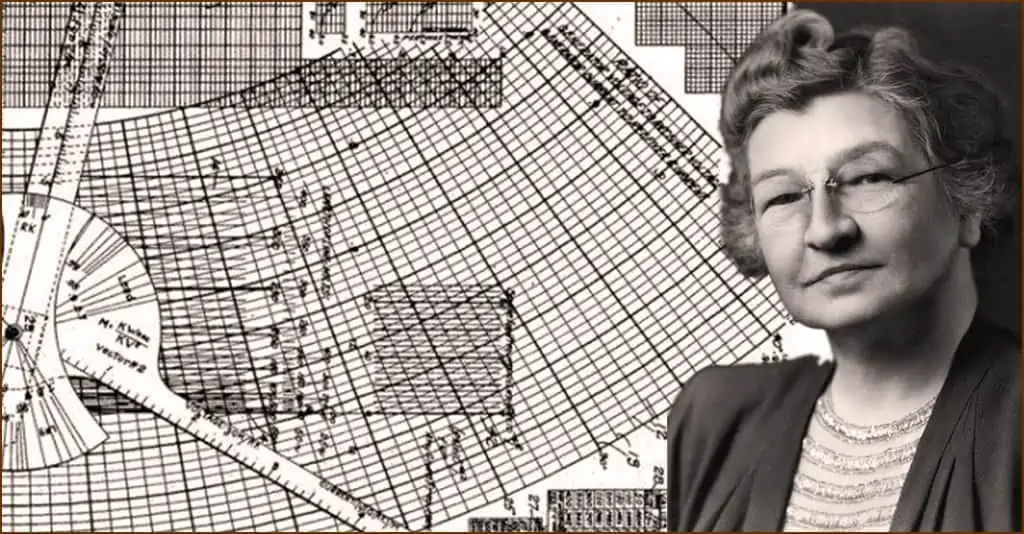
Orphaned in 1895 in Baltimore, Edith Clarke excelled in mathematics and dreamed of being an electrical engineer at a time when there were no female engineers in that burgeoning new field of technology. Ultimately she went into the Hall of Fame as one of the most important electrical engineers of the 20th century and was also America’s first female university engineering professor.
For most of us, America’s vast electrical infrastructure is something we take for granted, rarely think about until it goes down, and don’t really understand. But for Edith Clarke it was the stuff of dreams. A pioneer in electrical engineering, and role model for every young woman pursuing a STEM education today, she used the power of math to improve our understanding of power transmission at a time when engineering was a man’s world and women just didn’t “do” science.