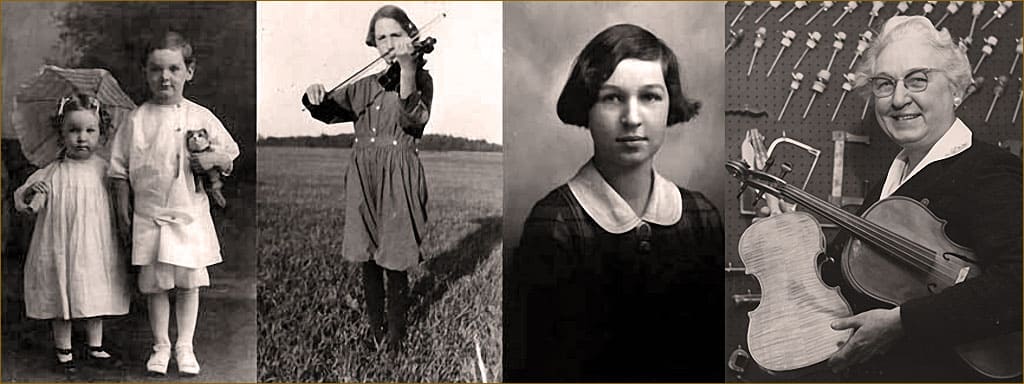
Born in 1909, Virginia Apgar spent her life in the field of medicine as a pioneer in the development of anesthesiology and neonatology while simultaneously becoming an accomplished musician, fly fisherman, student pilot and builder of stringed orchestral instruments — this last interest being one that entangled her in a humorous exotic wood theft caper.
You may not know her name, but this Wednesday’s Woman, Dr. Virginia Apgar, touched the lives of everyone born in the United States after 1952 within moments of their birth with a simple test that changed the field of neonatology forever.
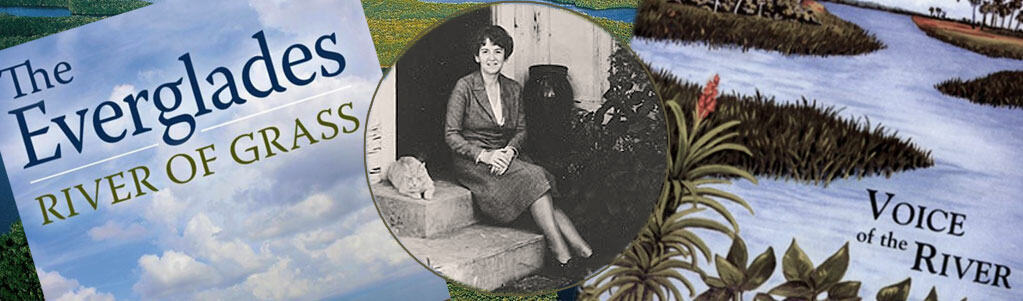
Marjory Stoneman Douglas was a Miami newspaper journalist who went on to become a world renowned conservationist and author of the landmark 1947 book “The Everglades: River of Grass,” a pioneering work at the dawn of the age of environmental activism.
“And though she be but little, she is fierce.” Shakespeare’s line from A Midsummer Night’s Dream was written a full three centuries before our Wednesday’s Woman was born. But “fierce” doesn’t begin to do justice to Marjory Stoneman Douglas.
Today, most of us only know her as the namesake of the high school where 17 lives were taken on Valentine’s Day 2018. But, like the students from that school now rising up to demand change, Douglas was an outspoken, intelligent, fearless activist for what mattered most.
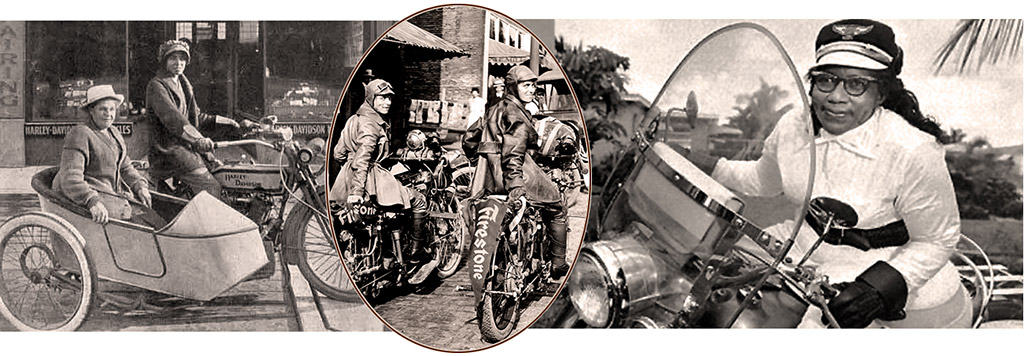
Long before Steppenwolf told us we were “Born to be Wild” and “choppers” and “ape hangers” became part of cycling lexicon — a handful of gutsy female riders slid onto the seats of Wagners, Indians and Harleys, and grabbed the handlebars to become pioneers in the world of motorcycling. They are this Wednesday’s Women.
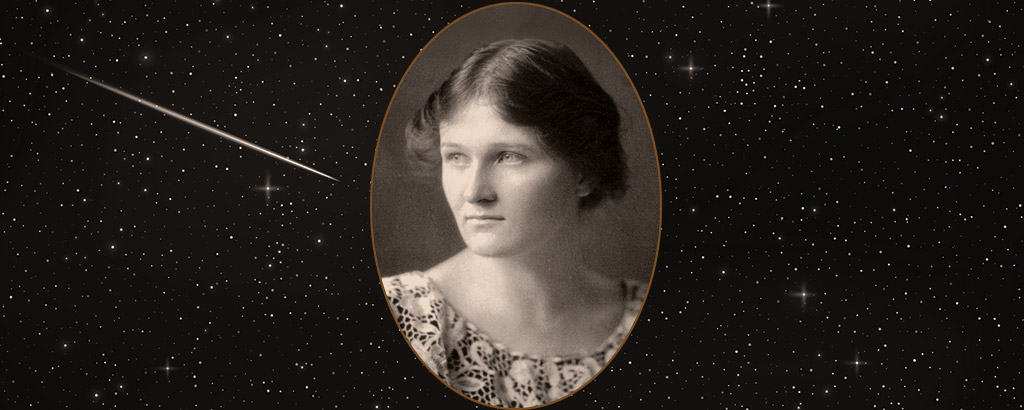
British immigrant Cecelia Payne blazed a trail across the skies of academic astronomy to ultimately become the greatest female astronomer of all time.
Although robbed of the credit for her greatest astronomical accomplishment and subjected to nonstop gender discrimination during the rest of her academic career, Cecelia Payne was finally recognized as “the greatest female astronomer in history.” This Wednesday’s Woman’s story is one of brilliance, tenacity and extraordinary scientific achievement in the face of persistent obstructions.
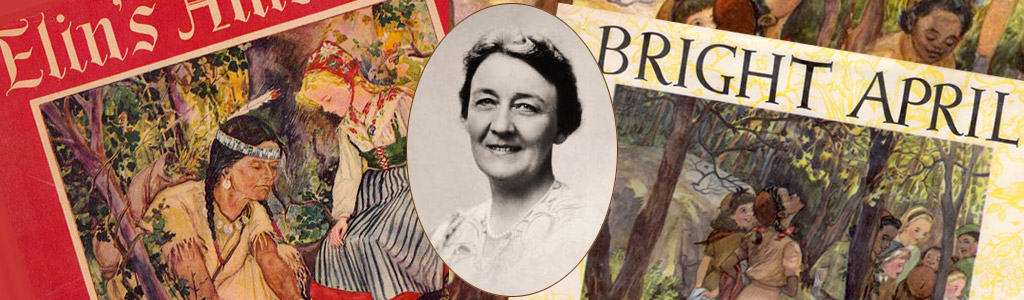
As a turn-of-the-20th century resident of Collingswood, N.J., Marguerite de Angeli began her career as an illustrator and author who pioneered the concept of multicultural children’s books. A children’s reading room in the Collingswood Library is named in her honor.
Marguerite de Angeli, this Wednesday’s Woman, was born in a small town where “we’d had no library.” But in her later years, as the beloved best-selling author and illustrator of books that influenced the values of generations of children, she returned to that same town to read her books to children at the library named in her honor.
During her long publishing career, de Angeli excelled at depicting the traditions and cultural diversity of people often overlooked in children’s literature of the time — a Great Depression family, African-American children experiencing racism, Polish miners whose dreams took them beyond Pennsylvania’s coal mines, the disabled, 19th-century Quaker abolitionists, native Americans and immigrants.
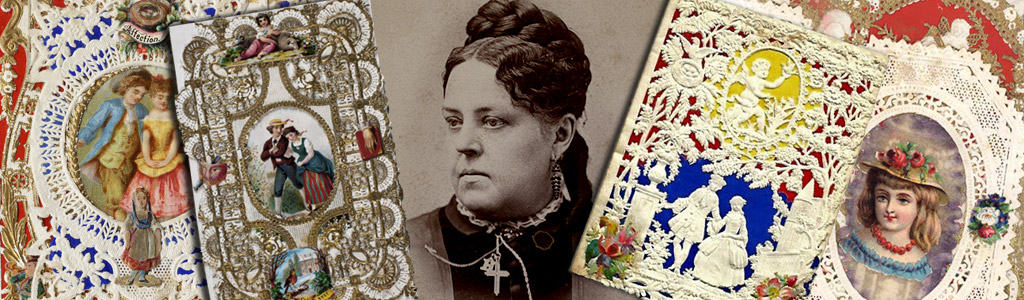
A gifted artist fascinated with the romantic notion of Valentine messages, Esther Howland was also a hardboiled business women who built a national Valentine card company that generated the equivalent of $2.6 million in sales annually.
Happy Valentine’s Day! We’ve all been there. You stare at racks of valentines, reading and replacing card after card. This one’s too schmaltzy; that one’s not romantic enough. Just go with cute and funny? If you suffer valentine anxiety, blame today’s Wednesday’s Woman: Esther Howland, “Mother of the American Valentine.