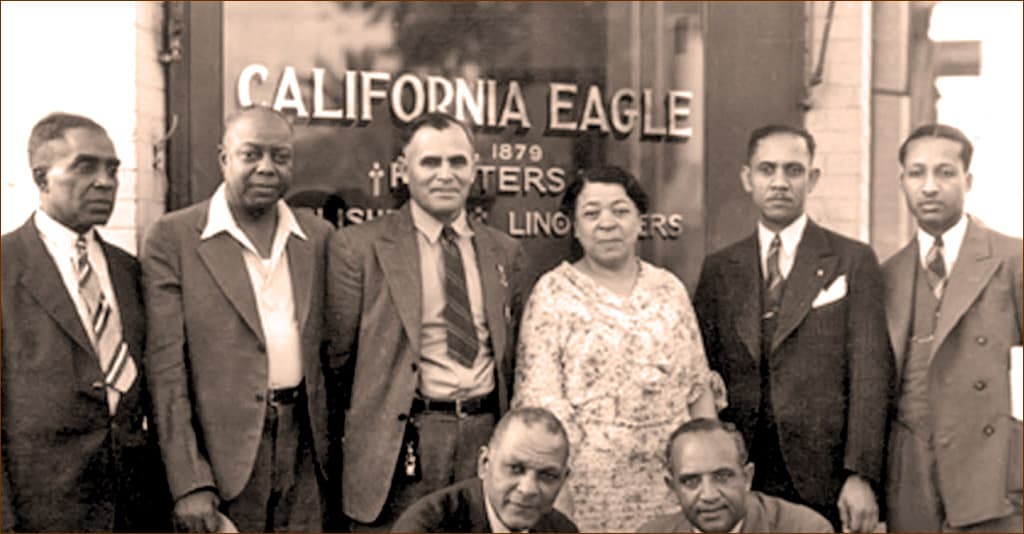
At a time when African Americans had little presence in the mainstream news publishing industry, Charlotta Spears Bass became a a powerful journalist and newspaper owner who ran for both Congress and Vice President of the United States.
You might not know her name, but Charlotta Spears Bass was a major badass. She fought the Ku Klux Klan and won. Was the first black woman to run for vice president. And, at the ripe old age of 91, was under surveillance by the FBI.
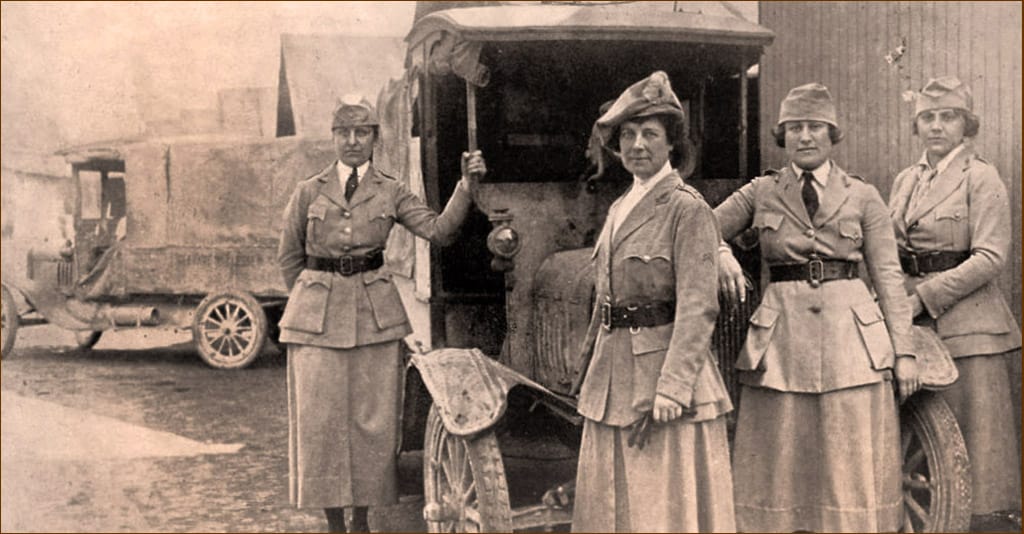
Born the daughter of a west coast steel and iron magnate, Gace Gallatin Seton traveled the world as an adventurer, writer and advocate for women’s rights. Here, in World War I France, she and her comrades use their Ford Camionettes to ferry supplies to the front lines.
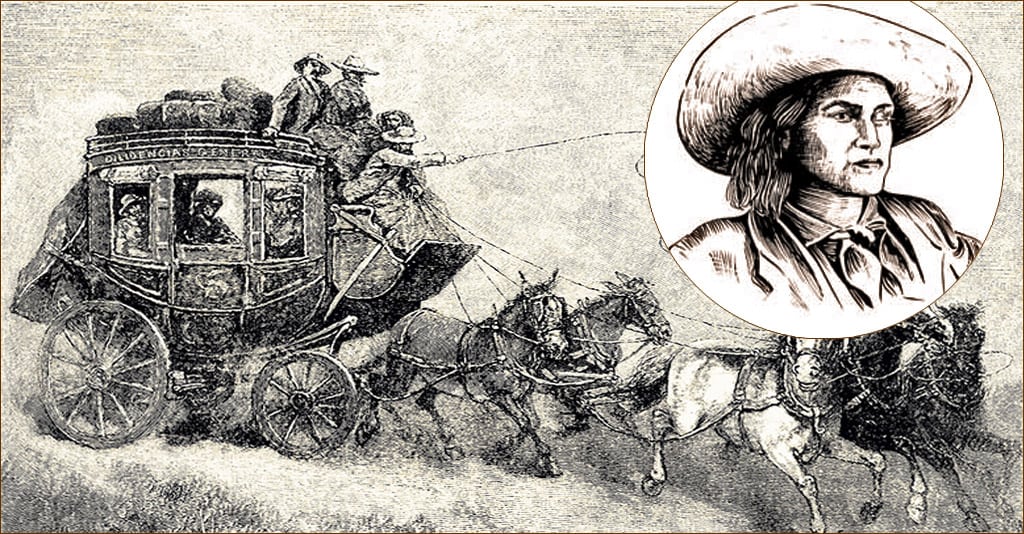
As a runaway girl dressed as a boy, Charlotte Parkhurst took a job mucking out Massachusetts livery stables in 1824 and went on from there to become a stagecoach driver.
Life for a woman born in the 1800s was full of gender-based taboos and restrictions. She couldn’t vote, run for or hold office. Couldn’t own property or, with few exceptions, get an elite education. Couldn’t serve in the military or on a jury. And she couldn’t easily escape a distasteful or abusive marriage. For a woman to enjoy all the freedoms denied her simply by being born female, there was only one option: live as a man.
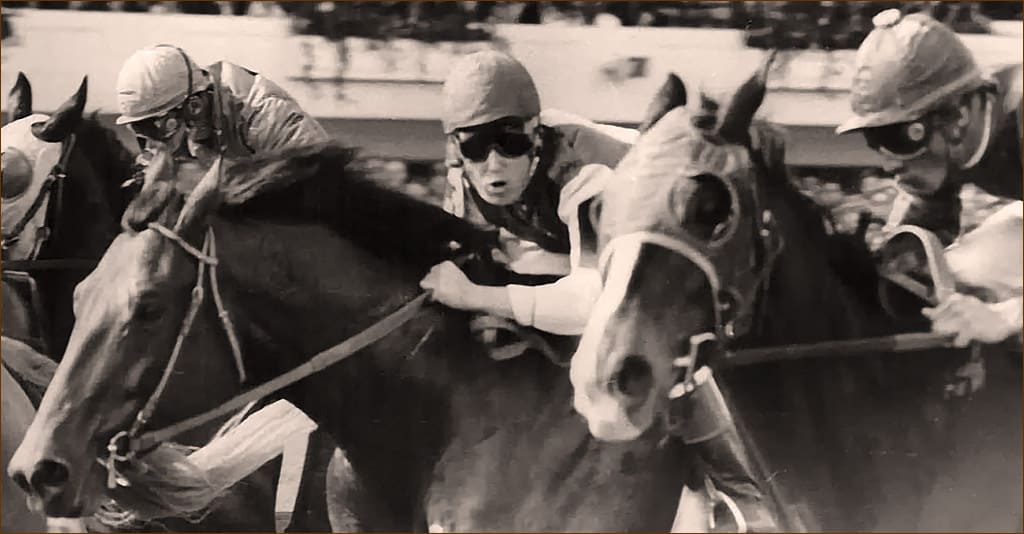
Riding Bridle ‘N Bit in the 7th race at Hialeah Park on February 7, 1969, Diane Crump (center) smashed through the barriers that kept women from participating in the sport of thoroughbred racing.
Until the 1960s, gender discrimination was a proud fact of life in the male-only world of thoroughbred horse racing in the United States. Females could not be licensed as jockeys. But a gutsy, 5-foot tall, 104 pound slip of a woman named Diane Crump changed all that at Florida’s Hialeah Park in 1969.
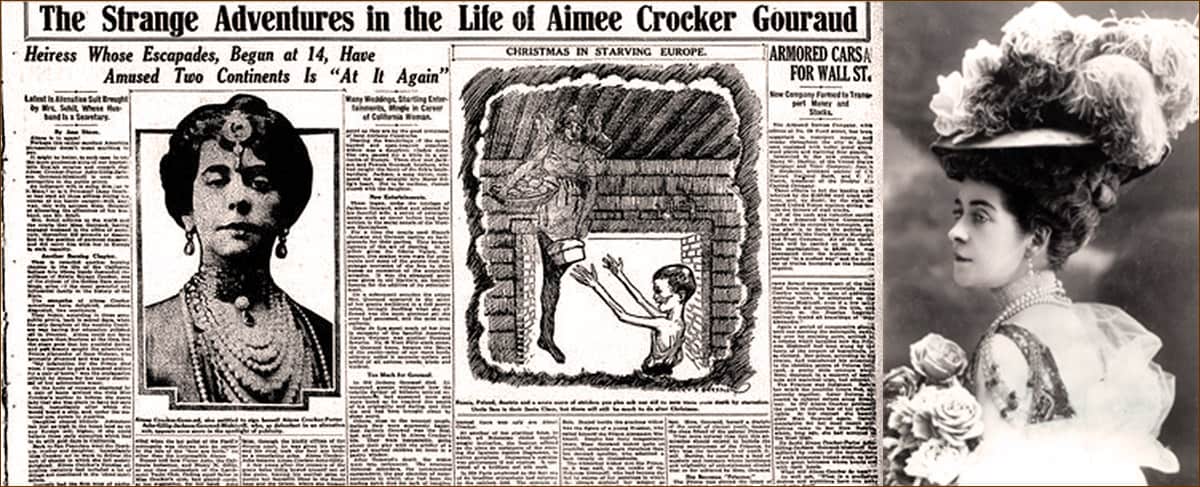
Aimée Crocker was a fabulously wealthy 19th-century railroad heiress who shocked U.S. society with her continent-hopping antics and bohemian eccentricities.
By the time 19th century Bohemian Aimée Crocker’s wild ride of a life was over, this was her name history: Aimée Crocker Ashe Gillig Gouraud Miskinoff Galitzine. But when it comes to surnames or husbands, who’s counting? This late 1800’s railroad heiress was born into enormous wealth in 1864, when women were expected to be shy, docile, retiring creatures who graciously accepted their roles as quiet spectators in the game of life. But shy, docile and retiring were simply not part of Crocker’s DNA.
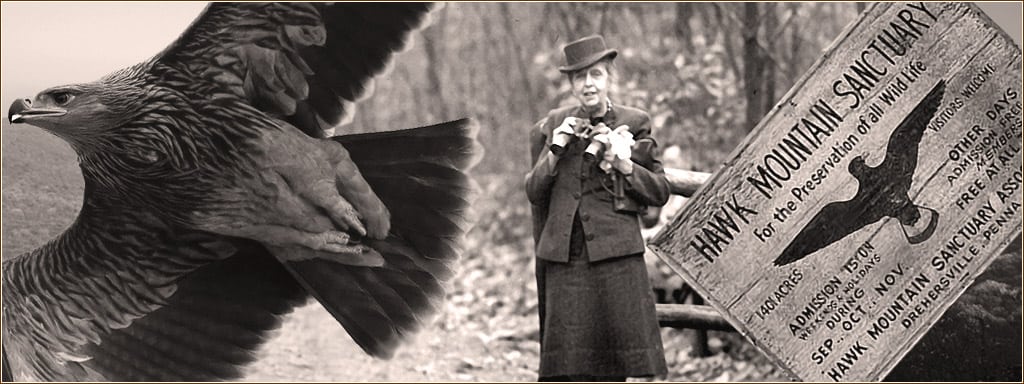
Rosalie Edge was one of the most active and effective conservationists of the 20th century, with a particular interest in protecting wild birds from mass killings by agricultural and industrial interests.
If visitors to New York’s Woodlawn Cemetery in the Spring of 2018 felt the ground shift a little beneath their feet, it was probably just Mabel Rosalie Barrow Edge — once known as America’s most militant conservationist — rolling in her grave.