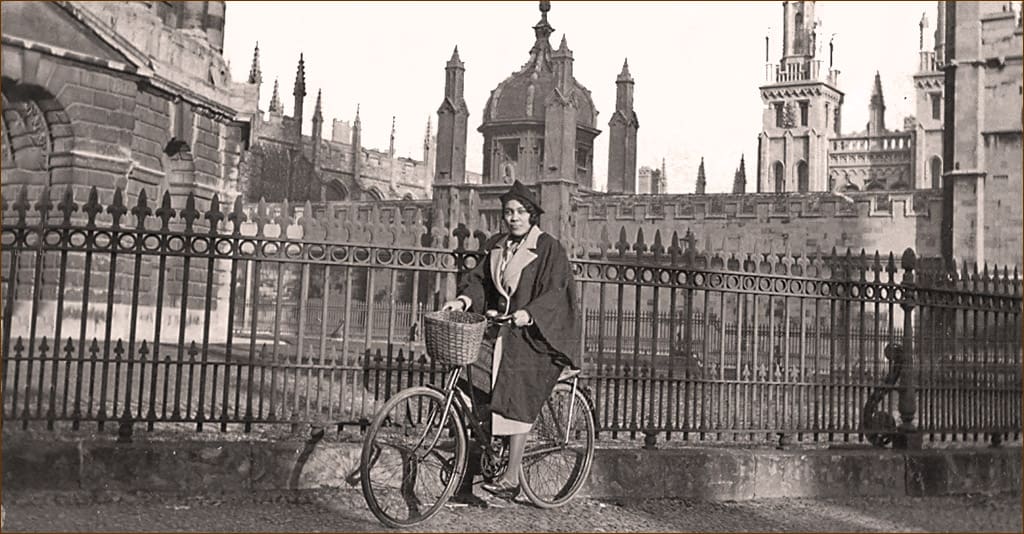
The first black female to receive a degree at Oxford,Vernie Merze Tate went on to counsel General General Dwight D. Eisenhower on disarmament issues.
As one of the first black families to settle in mostly-white Mecosta County, Michigan, thanks to the 1862 Homestead Act, Dr. Vernie Merze Tate’s great-grandparents were trailblazers. So it’s only natural she blazed her own trail, this time using education to break racial and gender barriers while amassing an impressive list of “firsts” along the way.
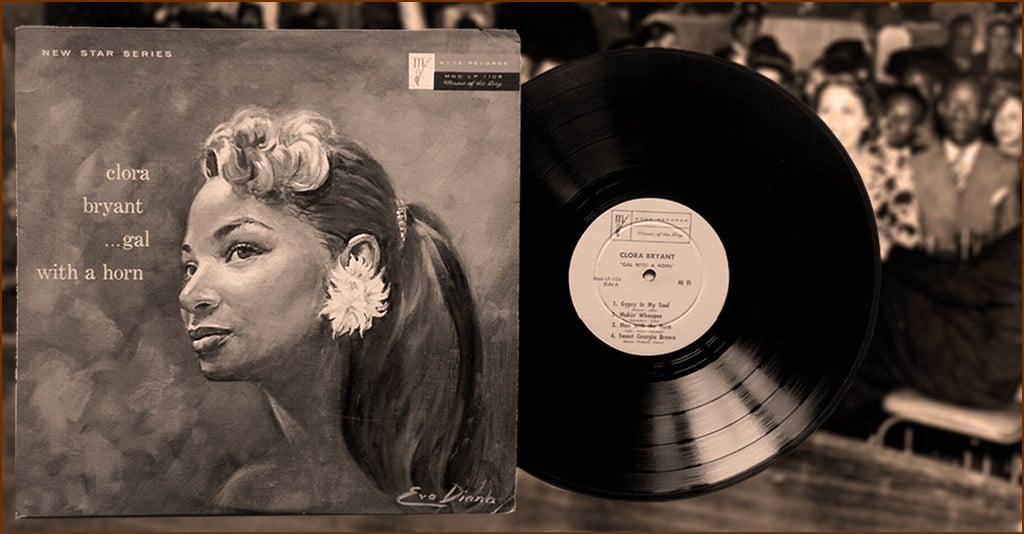
An extraordinary talent, Clora Bryant fought through gender discrimination her entire career to made her mark as a trumpeter and vocalist who was as good as any of the men who dominated the world of jazz.
Think of jazz trumpeters from the 1940s, and names like Louis Armstrong, Miles Davis and Dizzy Gillespie come to mind. But one name you may not know belongs to a woman who could hold her own with all three of them. A product of the West Coast jazz scene, her name was Clora Bryant, who called herself a “trumpetiste.”
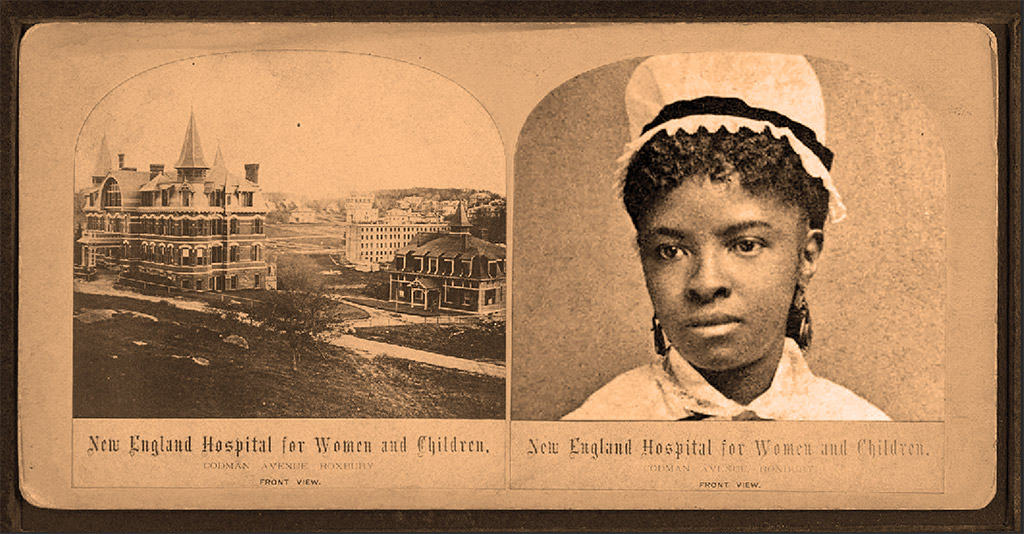
In 1879, Mary Mahoney made American history when she graduated from the New England Hospital for Women and Children’s nursing school as the first African American to become a professional, licensed nurse.
When Mary Eliza Mahoney graduated in 1879 as America’s first professional nurse, she stood on the shoulders of giants. Jamaica’s Mary Seacole nursed soldiers during the Crimean War; Harriet Tubman and Susie King Taylor tended the Civil War’s wounded; and Namahyoke Sockum Curtis battled typhoid, yellow fever and malaria as a nurse during the Spanish-American War.
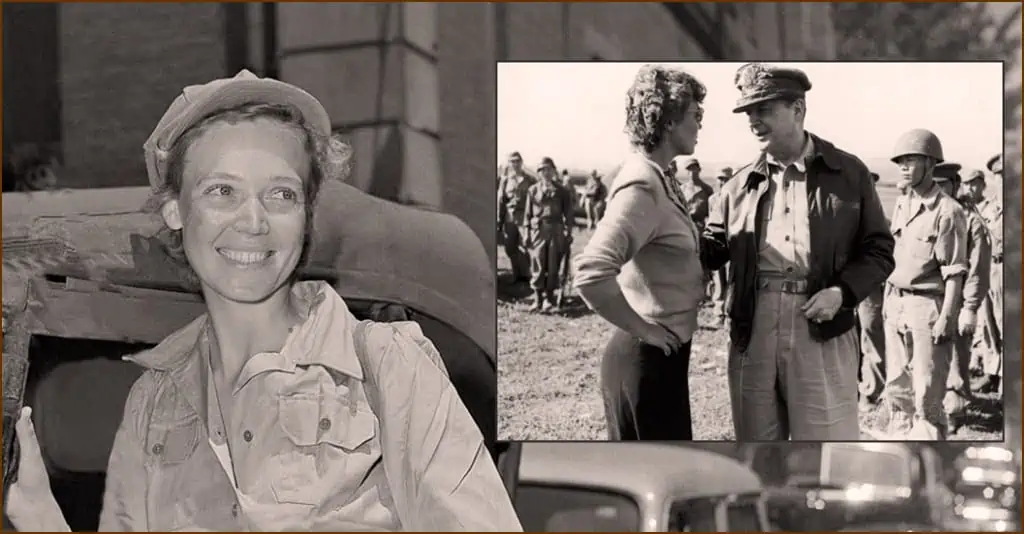
New York Herald Tribune reporter and Korean War media star Marguerite Higgins chats with General Douglas MacArthur in the field.
Marguerite “Maggie” Higgins wasn’t America’s first female war correspondent. Legendary journalist and novelist Martha Gellhorn (who was also Ernest Hemingway’s third wife) had covered conflicts all over the world in her 60-year career. But Higgins was the first to win the coveted Pulitzer Prize for International Reporting in 1951 with her front-line coverage of the Korean War.
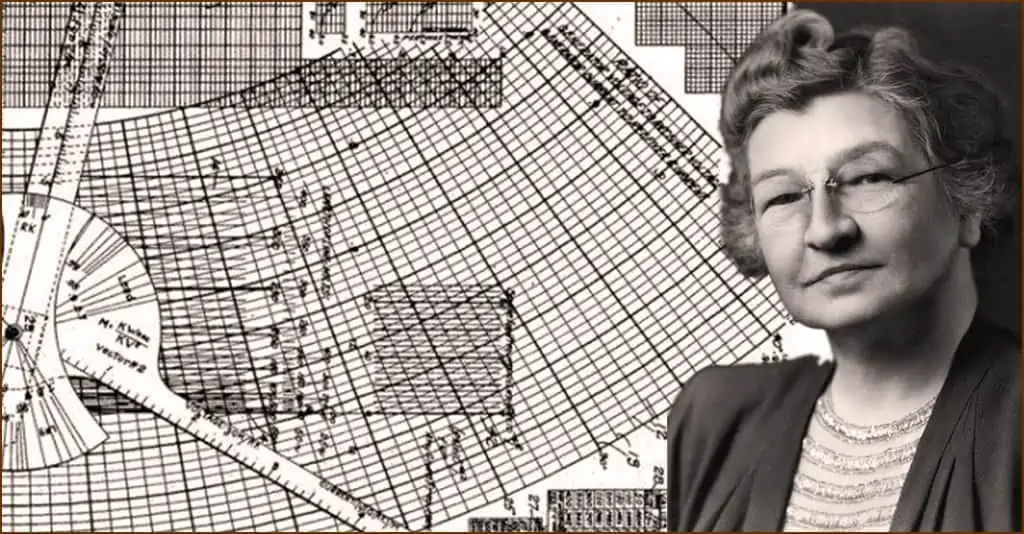
Orphaned in 1895 in Baltimore, Edith Clarke excelled in mathematics and dreamed of being an electrical engineer at a time when there were no female engineers in that burgeoning new field of technology. Ultimately she went into the Hall of Fame as one of the most important electrical engineers of the 20th century and was also America’s first female university engineering professor.
For most of us, America’s vast electrical infrastructure is something we take for granted, rarely think about until it goes down, and don’t really understand. But for Edith Clarke it was the stuff of dreams. A pioneer in electrical engineering, and role model for every young woman pursuing a STEM education today, she used the power of math to improve our understanding of power transmission at a time when engineering was a man’s world and women just didn’t “do” science.
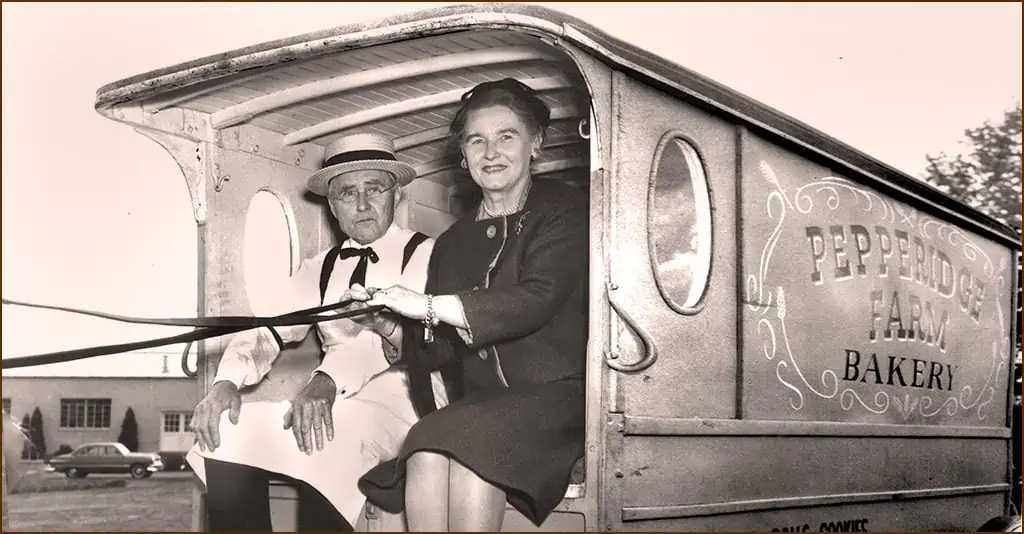
After starting a baking business in her kitchen at the height of the Great Depression, Margaret Fogarty Rudkin’s Pepperidge Farm became one of the country’s best known food brands.
Maybe it’s the decadence of a double-chocolate Milano. Or those buttery, melt-in-your-mouth Chessmen. Or the handful of Goldfish (“the snack that smiles back”) a harried mom throws into a Ziploc bag on the way out the door with her little ones. Pepperidge Farm has been America’s bakery for generations. But did you know it all started with a housewife, a sickly little boy and a stately tree on a Connecticut farm?