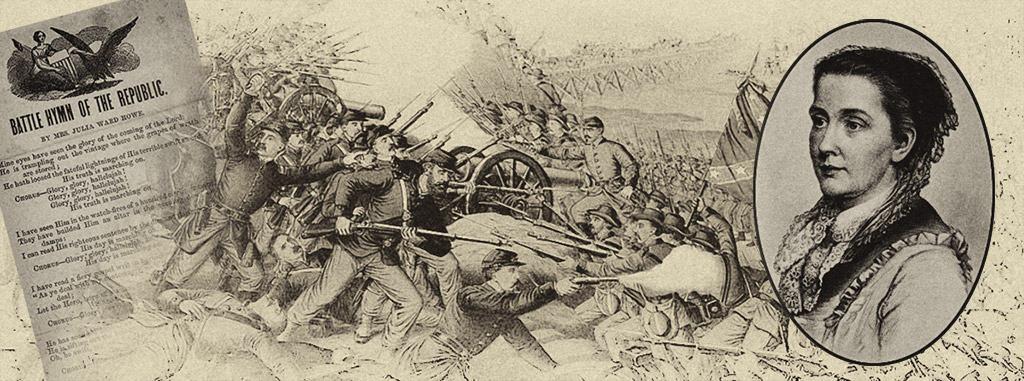
Inspired by the human horror, anguish, and sense of national purpose she experienced during visits to Union Army encampments and hospitals, Julia Ward Howe wrote what became one of the most powerful and famous songs of all time.
Little did Julia Ward Howe know that in writing what became the anthem of the American Civil War in 1861, she emancipated herself from the narrow, 19th-century views that kept women in domestic confinement, and realized her long-held ambition to become a thinker, a writer and an individual on her own terms.
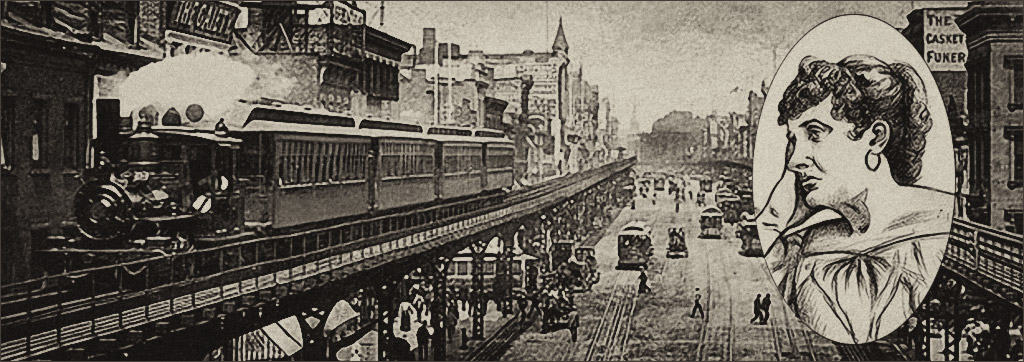
In the 19th century when females were given no credit for engineering savvy, Mary Walton was a rare standout. Her drive and mechanical creativity improved New York City’s elevated railroads.
A practical and creative nineteenth-century boarding house owner, Mary Elizabeth Walton was used to solving mechanical problems. So it was only natural that, when the noise and smoke of the elevated railway next to her building became intolerable, she set out to reinvent the era’s train technology — and succeeded, even where Thomas Edison himself had failed.
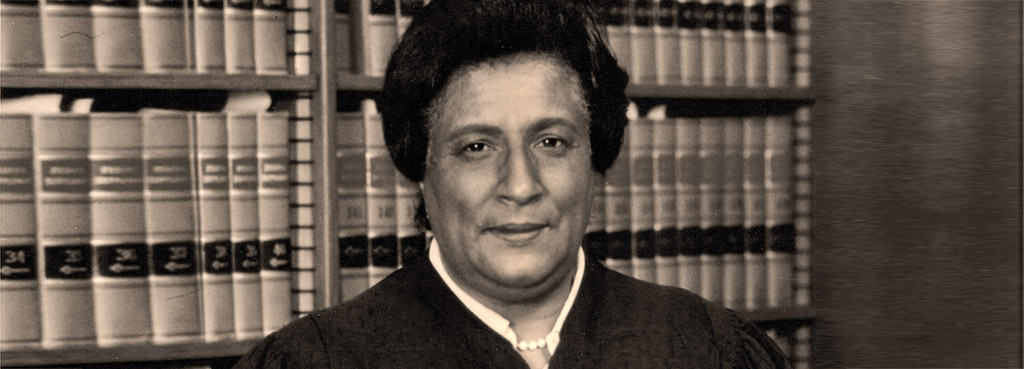
Along with massive protests and clashes with segregationists across the south, the Civil Rights movement fought some of its most important battles in the courtroom and Constance Baker Motley was a central figure in those legal efforts.
At the heart of almost every important civil rights case for twenty years stood a tall, gracious woman whose goal was as simple as it would prove to be elusive: provide dignity for everyone. You may not know her name, but Constance Baker Motley has worked tirelessly behind the scenes to quietly change the course of American history.
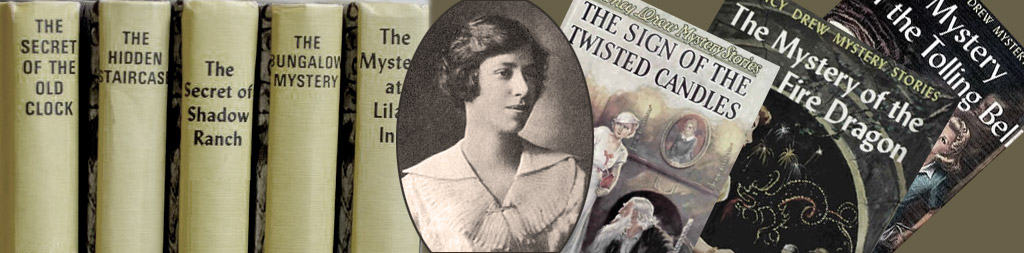
In the second decade of the 20th century, Harriet Stratemeyer Adams graduated from college, became an apprentice in her father’s book publishing company and went on to become an internationally acclaimed literary phenomenon.
An avid reader for as long as I can remember, I grew up absolutely devouring the works of Harriet Stratemeyer Adams. But I never knew her by that name. To me, she was Carolyn Keene, author of all those wonderful Nancy Drew mysteries whose bright yellow spines lined my bedroom bookshelf. In a book publishing world long dominated by males, Adams became a stunning business success by offering young girls a strong, adventure-seeking literary heroine who controlled her own fate.
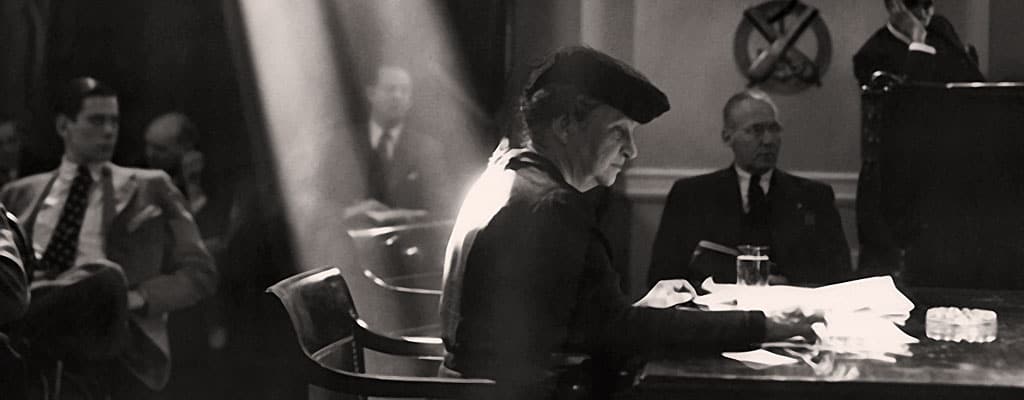
Frances Perkins was one of the most powerful people in the federal government during the height of her career and her legacy continues to directly touch the lives of hundreds of millions of Americans.
Frances Perkins (1880-1965) was a pioneering feminist and America’s first female cabinet member, serving as President Franklin D. Roosevelt’s Secretary of Labor from 1933 to 1945. A dedicated civil servant, and an equal in a field dominated by men, her vision improved the lot of every working man and woman in America.
As a teenager in the 1850s, Margaret Ellen Knight invented a safety device for 19th century power looms. As a young woman, she invented a major consumer product that is part of our daily lives today.
Were it not for this Wednesday’s Woman, baggers at supermarkets all over America would not be able to ask that all-important question: “Paper or plastic?” Margaret Ellen Knight is the inventor of the flat-bottomed paper bag that is a staple of American shopping life.